A 50% Tariff on Canadian Clothing Is Paused Through This Week — Here's What Happens Next
A 50% duty on Canadian textiles and apparel was set to hit on Aug. 19. It has been suspended twice since, most recently through a narrow window a federal notice confirmed today. Trade talks have collapsed. Here's what's actually in effect right now.
Meridians Life Desk
Published 24 August 2026 · Updated 24 August 2026 · 6 min read
 Fashion
The short answer
- The U.S. is using Section 338 of the Tariff Act of 1930 — a provision never before invoked this way — to impose a 50% tariff on a range of Canadian goods that includes textiles and apparel, alongside cement, furniture, cosmetics, jewelry, toys and sporting goods.
- The tariff was set to take effect at 12:01 a.m. ET on Aug. 19, 2026. It has since been suspended twice: once ahead of that deadline, and again in a notice the Federal Register published Aug. 24 confirming a three-day suspension that began Aug. 22.
- Canadian Prime Minister Mark Carney suspended trade talks with the U.S. on Aug. 21 after last-minute changes to the American terms, and said Canada would match the tariffs "dollar for dollar."
- There is no separate tariff proclamation for clothing. Apparel and textiles are folded into Proclamation 11048, the broader "motor vehicle" order, which covers a wide list of goods well beyond cars.
Whether a $60 fleece jacket made in Canada costs $90 by the time you read this depends on a three-day countdown that started this weekend — and on trade talks that Canada's prime minister walked away from on Aug. 21. Meridians has not independently reviewed the underlying proclamations; the details below come from the Federal Register, the Office of the Prime Minister of Canada, and trade-law analysis from Holland & Knight and Troutman Pepper Locke.
What's actually being taxed
Section 338 of the Tariff Act of 1930 lets the president impose duties on a foreign country's goods in response to trade practices the U.S. considers discriminatory. The provision has existed for nearly a century but had never been used this way before 2026, according to Holland & Knight. The administration invoked it against Canada over what it called discriminatory treatment in three areas: dairy, alcoholic beverages, and motor vehicles. The catch is that the "motor vehicle" proclamation — Proclamation 11048 — doesn't just cover cars. Trade lawyers at Troutman Pepper Locke describe its scope as "a broad range of goods, including cement, plywood, furniture, cosmetics, textiles, apparel, jewelry, toys, and sporting goods" — all subject to an additional 50% ad valorem duty on top of whatever tariff already applies.
A tariff that keeps getting postponed
- July 22, 2026 — The administration proclaims a 50% tariff on the listed categories of Canadian origin, effective 12:01 a.m. ET Aug. 19.
- Aug. 18, 2026 — The tariff is suspended for three days ahead of the original deadline, pushing the effective date to Aug. 22, citing ongoing negotiations.
- Aug. 21, 2026 — Prime Minister Carney suspends Canada's side of the talks, calling the U.S.'s revised terms "unfair, uneconomic" and a threat to "the reliability of any deal," and pledges dollar-for-dollar retaliation on roughly $28 billion in Canadian goods.
- Aug. 24, 2026 — The Federal Register formally publishes the suspension, confirming duties were paused for a period of three days starting Aug. 22 — a window that is expiring around the time this is published.
What it could mean for what you pay
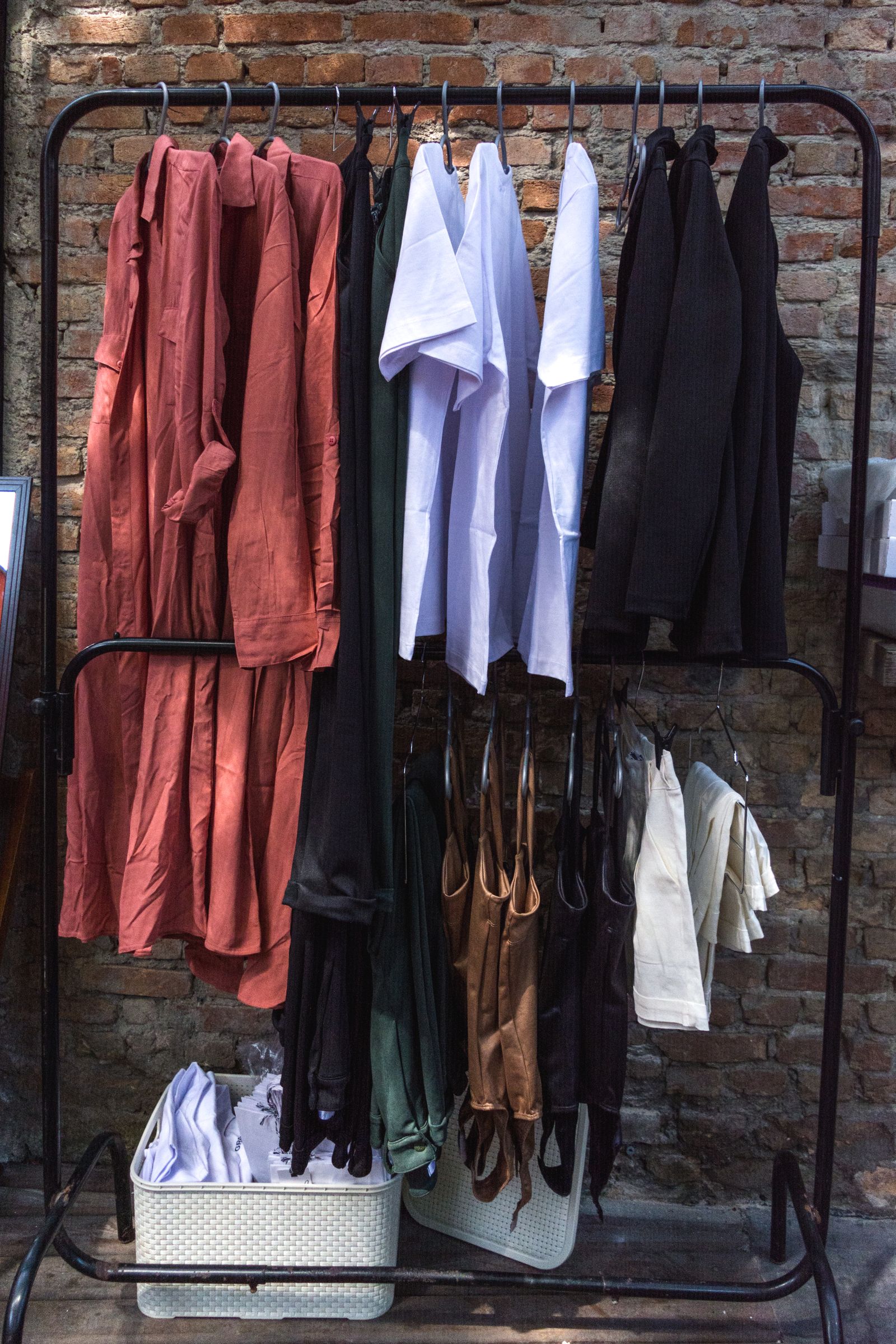
If the suspension lapses without a deal, importers bringing Canadian-made apparel, footwear or textiles into the U.S. would owe an extra 50% on the customs value of those goods, on top of any tariff that already applies. Whether that shows up as a higher price tag depends on how much of a brand's supply chain actually runs through Canada. Most mass-market apparel sold in the U.S. is manufactured in Asia, not Canada, so the broad clothing market may see limited direct effect. Retailers and brands with Canadian manufacturing or sourcing — outerwear, wool goods, and some technical or outdoor gear — are more exposed.
Sources
Every factual claim above is traceable to these documents. Check them — that is why they are here.
- Temporary Suspension of Additional Duties To Offset Canadian Discrimination... (Aug. 24, 2026)Federal Register
- Statement by Prime Minister Carney on Canada-U.S. trade negotiationsPrime Minister of Canada
- Three-Day Suspension of Section 338 Additional Duties on Canadian ImportsTroutman Pepper Locke
- 50 Percent Opening Bid: Canadian Imports Subject to Section 338 Tariffs Amid USMCA TalksHolland & Knight
About this byline
Meridians Life Desk is an editorial desk at Meridians, not an individual. A desk byline means the article was produced and fact-checked to that desk's published standards. Read our editorial standards and corrections policy.
Sponsored
Paid placement · not editorial
California's New Textile Recycling Law Takes Effect in 2026 — Here's What Changes for Shoppers
4 min read · 21 August 2026
France's New Fast-Fashion Fee Takes Effect, Adding Up to €12 a Garment for Shein and Temu Orders
4 min read · 2 September 2026

A Children's Clothing Line Recalled Over Drawstring Entrapment Risk
3 min read · 30 August 2026
The Meridians Brief
One considered email a week
What changed, what it costs you, and what to do about it — from the Meridians desks. No sponsored picks disguised as recommendations.
Sign-up opens with our launch issue. Nothing is sent or stored yet.