CDC Flags a Nationwide Jump in Rabies Exposures — and Errors in Treating Them
Rabies vaccine use rose 33% and immunoglobulin use rose 76% this summer compared with last year, the CDC says, alongside a wave of mistakes in how the treatment is given.
Meridians Life Desk
Published 14 September 2026 · Updated 14 September 2026 · 4 min read
 Pets
PetsThe short answer
- The CDC's Health Alert Network reported rabies-related inquiries up 17%, rabies vaccine use up 33%, and rabies immunoglobulin use up 76% in July and August 2026 compared with the same period in 2025.
- At least 8 state health departments reported an increase in post-exposure treatment or in errors administering it.
- CDC identified 8 specific administration errors clinicians are making, including injecting vaccine into the wrong muscle and skipping immunoglobulin when it is required.
- Rabies is nearly always fatal once symptoms start but is preventable with prompt, correctly given treatment; the CDC is urging people to keep pets' rabies vaccinations current and avoid contact with wildlife.
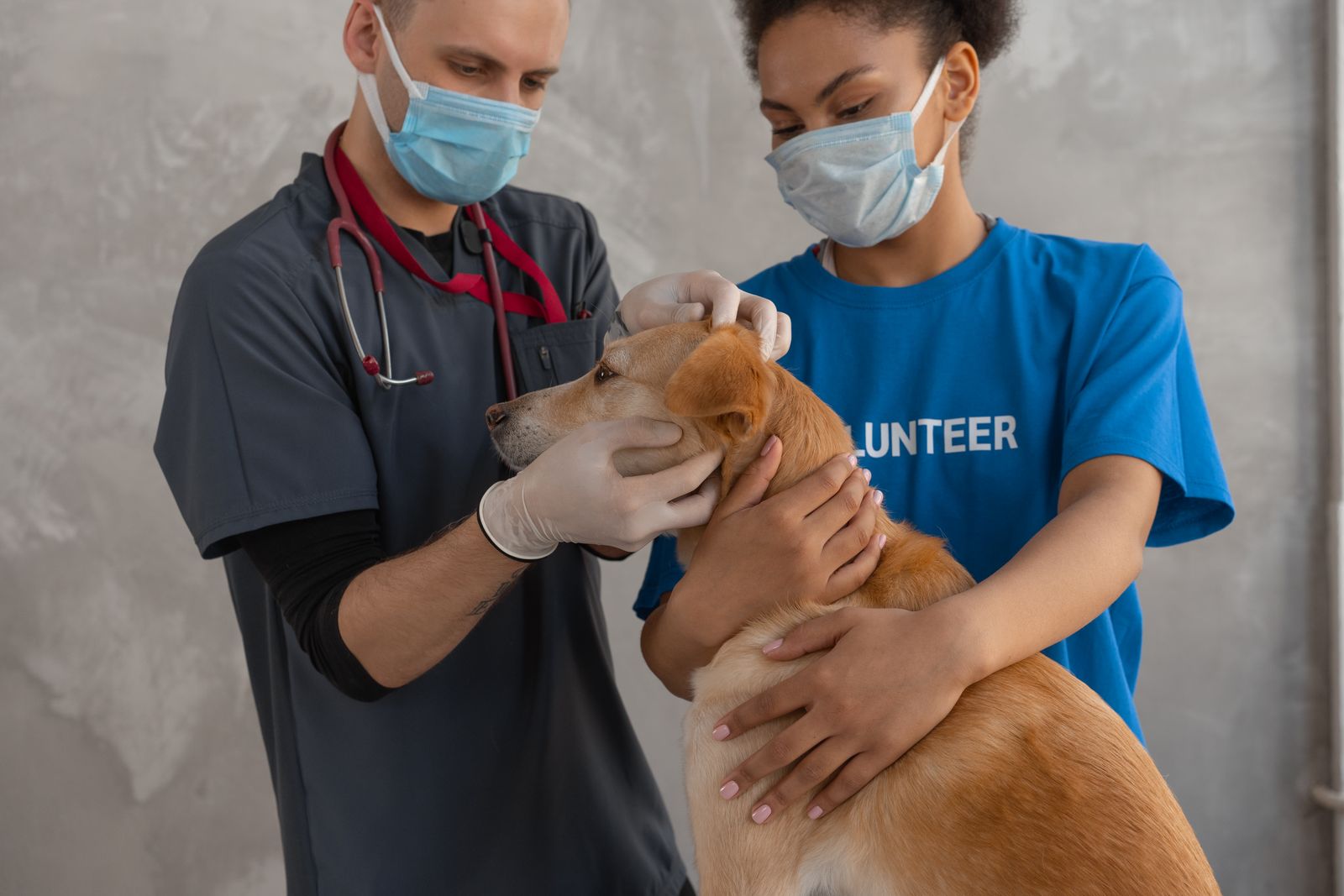
The CDC says more Americans needed rabies treatment this summer than last, and that clinicians are making preventable mistakes when they give it. Both trends matter directly to pet owners, since dogs and cats are one of the main ways people end up needing that treatment in the first place.
The numbers
According to a CDC Health Alert Network advisory covering July and August 2026, rabies-related inquiries rose 17% and rabies vaccine use rose 33% compared with the same two months in 2025; rabies immunoglobulin use was up 76% as of early September. At least 8 state health departments reported an increase in post-exposure prophylaxis use or in errors administering it. For context, the CDC says roughly 1.4 million people in the U.S. seek medical care each year after animal contact, and about 100,000 of them receive post-exposure treatment, which the agency says typically costs $11,000 to $14,000 per person.
What's going wrong in treatment
The CDC's advisory lists specific errors clinicians have made, including:
- Injecting vaccine into the gluteal area, which is invalid and must be repeated elsewhere
- Failing to infiltrate immunoglobulin into and around all wound sites
- Giving immunoglobulin and vaccine in the same syringe or injection site
- Omitting immunoglobulin when a patient's history requires it
- Giving immunoglobulin to someone already fully vaccinated, when it isn't needed
- Using the wrong vaccine dosing schedule or unnecessarily restarting a series already underway
Correct treatment, in plain terms
For someone with no prior rabies vaccination, the standard course is immunoglobulin plus vaccine doses on days 0, 3, 7, and 14. Someone previously vaccinated needs vaccine only, on days 0 and 3, with no immunoglobulin. Injections go in the deltoid for adults and children over 2, or the deltoid or outer thigh for younger children — never the buttock. Immunoglobulin can still be given through the third vaccine dose but isn't recommended after that.
What this means for pet owners
The CDC's core advice: keep pets' rabies vaccinations current, avoid contact with wildlife and with animals that appear sick, and if a bite or scratch happens — from a pet, a stray, or a wild animal — wash the wound with soap and water for 15 minutes right away, safely confine the animal if possible, and contact animal control and a health care provider promptly rather than waiting to see if symptoms appear.
Sources
Every factual claim above is traceable to these documents. Check them — that is why they are here.
About this byline
Meridians Life Desk is an editorial desk at Meridians, not an individual. A desk byline means the article was produced and fact-checked to that desk's published standards. Read our editorial standards and corrections policy.
Sponsored
Paid placement · not editorial

Fi Recalls Two Dog Supplements Over Possible Salmonella Contamination
3 min read · 10 September 2026
A Frozen Raw Dog Food Is Recalled After Testing Positive for Salmonella
4 min read · 21 August 2026

The Meridians Brief
One considered email a week
What changed, what it costs you, and what to do about it — from the Meridians desks. No sponsored picks disguised as recommendations.
Sign-up opens with our launch issue. Nothing is sent or stored yet.