The EU Just Banned Forever Chemicals in Food Packaging — What Changed on 12 August
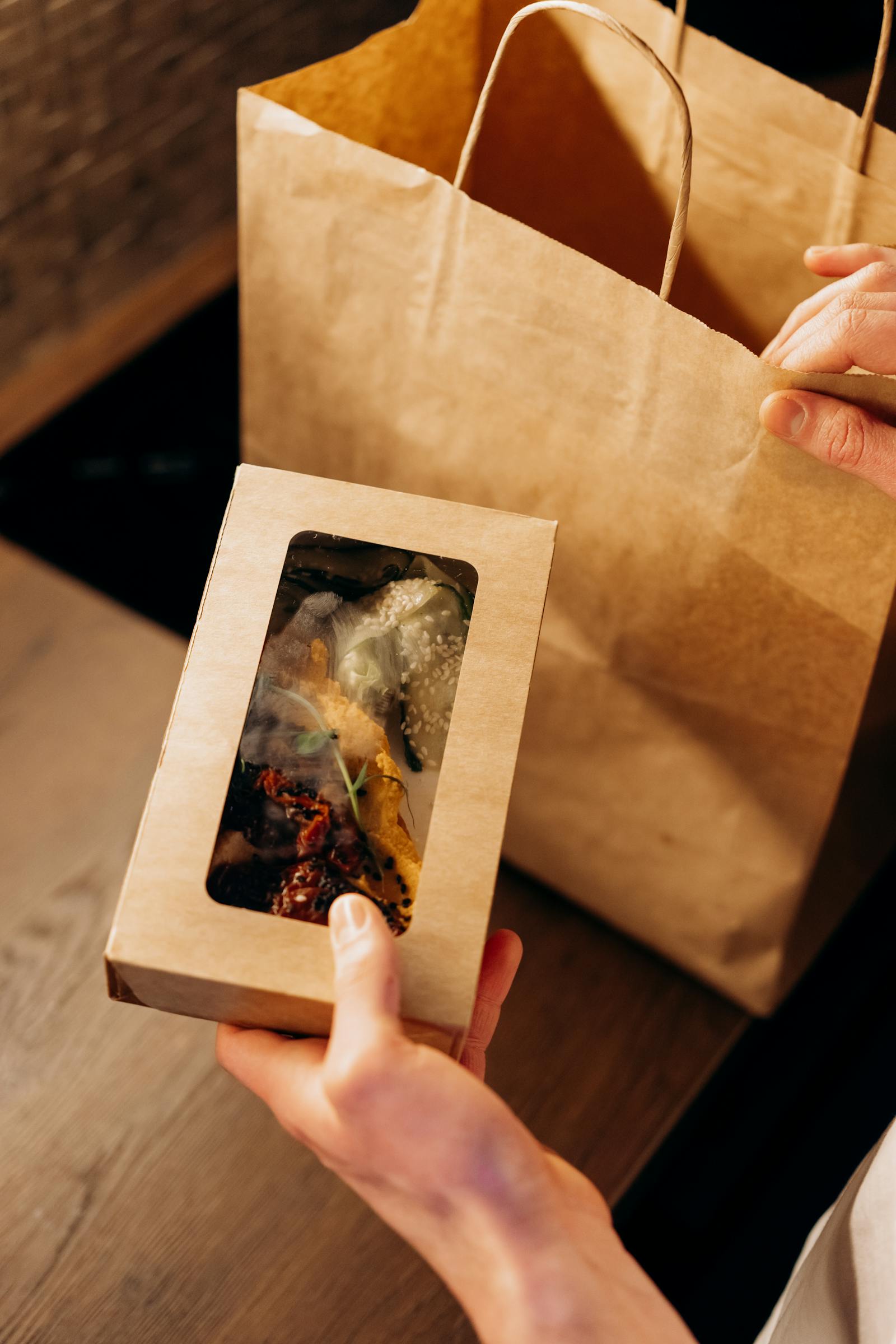
PFAS above strict limits can no longer be sold in food-contact packaging anywhere in the EU. It affects takeaway boxes, wrappers, popcorn bags and pizza cartons.
Meridians Life Desk
Published 20 August 2026 · Updated 20 August 2026 · 5 min read
 Food
FoodThe short answer
- Since 12 August 2026, food-contact packaging containing PFAS above strict limits can no longer be placed on the EU market.
- The rule comes from Regulation (EU) 2025/40, the Packaging and Packaging Waste Regulation.
- It covers takeaway containers, fast-food wrappers, microwave popcorn bags, bakery paper and pizza boxes.
- Further stages follow: harmonised recycling labels in 2028, and empty-space limits, reuse targets and full recyclability in 2030.
On 12 August 2026 a rule took effect across the European Union that most shoppers will never see announced on a label: food-contact packaging containing per- and polyfluoroalkyl substances above strict limits can no longer be placed on the EU market. The substances are the ones commonly called forever chemicals, and the packaging they were used in is the packaging most people touch every week.
What is actually affected
- Takeaway containers
- Fast-food wrappers
- Microwave popcorn bags
- Bakery paper
- Pizza boxes
PFAS were used in these products for a straightforward reason: they repel grease and water, which is exactly what a pizza box or a burger wrapper has to do. The trade-off is that the same chemistry does not break down — the compounds accumulate in the environment and in the human body, which is the basis for the restriction.
Where the rule comes from
The restriction sits in Regulation (EU) 2025/40, the Packaging and Packaging Waste Regulation. Unlike a directive, a regulation applies directly in every member state without national transposition, so the date is the same in Berlin, Madrid and Rome. The 12 August milestone is the first of several.
What comes next, and when
- 2028 — a harmonised EU-wide labelling system so packaging can be sorted correctly for recycling
- 2030 — limits on empty space in packaging, restrictions on certain single-use plastic packaging, reuse targets, mandatory recycled content in new plastic packaging, and a requirement that all packaging be recyclable
The Commission puts the scale of the problem at 35.3 kg of plastic packaging waste per person per year in the EU, with total packaging waste projected to grow 19% by 2030 without intervention — and plastic packaging waste by 46%.
Sources
Every factual claim above is traceable to these documents. Check them — that is why they are here.
- New EU rules on packaging enter into applicationEuropean Commission — Environment
- Regulation (EU) 2025/40 on packaging and packaging wasteEUR-Lex
About this byline
Meridians Life Desk is an editorial desk at Meridians, not an individual. A desk byline means the article was produced and fact-checked to that desk's published standards. Read our editorial standards and corrections policy.
Sponsored
Paid placement · not editorial
Hepatitis A Outbreak Tied to Frozen Black Clams Grows to 37 Cases, 30 Hospitalizations
4 min read · 15 September 2026
Salmonella Outbreak Linked to Broccoli Sprouts Grows to 22 Cases in Four States
3 min read · 11 September 2026
Boston Company Recalls Nearly 25,000 Pounds of Buffalo Chicken Over Missing USDA Inspection
3 min read · 30 August 2026
The Meridians Brief
One considered email a week
What changed, what it costs you, and what to do about it — from the Meridians desks. No sponsored picks disguised as recommendations.
Sign-up opens with our launch issue. Nothing is sent or stored yet.