Florida's Summer Fertilizer Ban Is in Effect Right Now — Here's What's Actually Prohibited
Most Florida counties bar nitrogen and phosphorus lawn fertilizer from June through September to keep nutrients out of waterways during the rainy season. The exact rules vary by county, and violations are code-compliance offenses.
Meridians Life Desk
Published 25 August 2026 · Updated 25 August 2026 · 4 min read
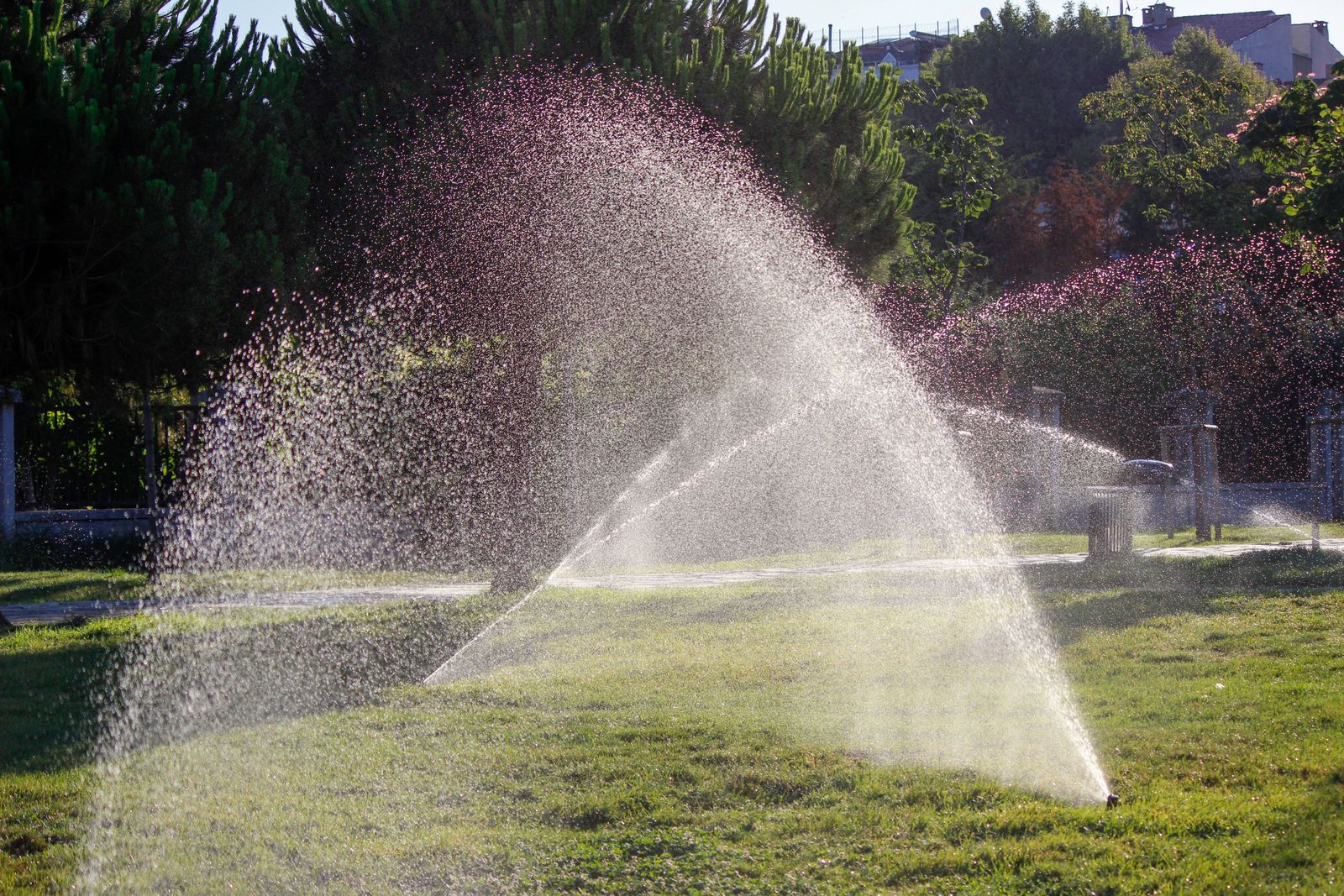 Garden
The short answer
- Most Florida counties prohibit fertilizer containing nitrogen or phosphorus from June 1 through September 30 each year — a window that's active right now, in late August.
- The rules aren't uniform: Alachua County, for example, runs a longer blackout from July 1 through the following February 28.
- Phosphorus can still be applied with a UF/IFAS-verified soil test showing a deficiency; potted plants and, in most counties, vegetable gardens and fruit trees are exempt.
- Violations are code-compliance offenses that can carry fines, though neither county page we reviewed lists the exact penalty amount.
If you fertilized your Florida lawn this week, check your county's ordinance first. Most Florida counties are currently in their annual fertilizer blackout period, which bars nitrogen and phosphorus lawn fertilizer through the peak of the summer rainy season.
What's actually banned
In St. Lucie and Volusia counties — two of the jurisdictions with public ordinance pages — the blackout runs June 1 through September 30 every year. During that window, applying fertilizer containing nitrogen or phosphorus to turf or landscape plants is prohibited outright. Application is also barred year-round during flood, tropical storm or hurricane watches and warnings issued by the National Weather Service, and in Volusia County specifically, whenever 2 or more inches of rain is forecast within 24 hours.
- St. Lucie County requires a 10-foot fertilizer-free buffer around ponds, streams, lakes, canals and wetlands
- Volusia County sets that buffer at 15 feet
- Phosphorus fertilizer is prohibited generally, blackout period or not, unless a University of Florida/IFAS-verified soil or tissue test confirms a deficiency; test results are valid for up to two years
- Outside the blackout period, nitrogen fertilizer is allowed only if at least 50% of the total nitrogen is slow-release
The rules change at the county line
There's no single statewide blackout window. Alachua County's version runs longer than most — July 1 through February 28 — covering the rainy season and the cooler months when fertilizer is less likely to be absorbed by plants before it washes away. Roughly 68% of Alachua County households have stopped fertilizing altogether, according to county-cited figures. Anyone unsure of their local rule should check their own county or city ordinance rather than assume the June-through-September window applies.
Why counties do this
The stated goal is keeping nitrogen and phosphorus runoff out of waterways during the months when heavy rain is most likely to carry it there, feeding the algal blooms that show up in Florida lakes, springs and coastal waters. St. Lucie County's ordinance ties the rule to protecting local waterways and groundwater; Alachua County's is framed as support for the state's broader Basin Management Action Plan.
What you can still do
Vegetable gardens and fruit trees are generally exempt from the seasonal restriction. Potted plants are exempt under Volusia County's ordinance. And nothing in these rules stops you from watering, mowing, or applying fertilizer-free soil amendments during the blackout — the restriction is specifically on nitrogen and phosphorus fertilizer.
Sources
Every factual claim above is traceable to these documents. Check them — that is why they are here.
- Fertilizer Blackout PeriodSt. Lucie County, Florida
- Fertilizer Ordinance FAQsVolusia County, Florida
About this byline
Meridians Life Desk is an editorial desk at Meridians, not an individual. A desk byline means the article was produced and fact-checked to that desk's published standards. Read our editorial standards and corrections policy.
Sponsored
Paid placement · not editorial
When to Plant Fall Bulbs, By Region: The Soil-Temperature Numbers That Matter
4 min read · 10 September 2026
Box Tree Moth Quarantine Expands Again — What It Means Before You Buy or Move Boxwood
4 min read · 21 August 2026
CPSC Tells Owners of Two Pressure Washer Brands to Stop Using Them Immediately
4 min read · 14 September 2026
The Meridians Brief
One considered email a week
What changed, what it costs you, and what to do about it — from the Meridians desks. No sponsored picks disguised as recommendations.
Sign-up opens with our launch issue. Nothing is sent or stored yet.