H5N1 in Cats: What the CDC's First Documented Cat-to-Human Case Means for Pet Owners
Nineteen cats in Los Angeles County got sick after eating raw pet food, raw milk or raw meat. Fourteen died. One vet worker later tested positive for exposure.
Meridians Life Desk
Published 21 August 2026 · Updated 21 August 2026 · 4 min read
 Pets
PetsThe short answer
- A CDC report published May 7, 2026 documents the first evidence of likely cat-to-human transmission of H5N1 avian influenza, tied to raw pet food, raw milk, or raw meat fed to cats in Los Angeles County.
- Nineteen domestic cats across five households became ill between November 2024 and January 2025; nine tested positive for H5N1, and 14 of the 19 cats died or were euthanized.
- One veterinary professional tested positive for H5N1 antibodies after occupational exposure without proper protective equipment, though the person had no reported flu-like illness.
- The AVMA recommends feeding cats only pasteurized dairy and cooked meat, keeping cats indoors, and washing hands after handling cats or wildlife — no H5N1 vaccine currently exists for cats.
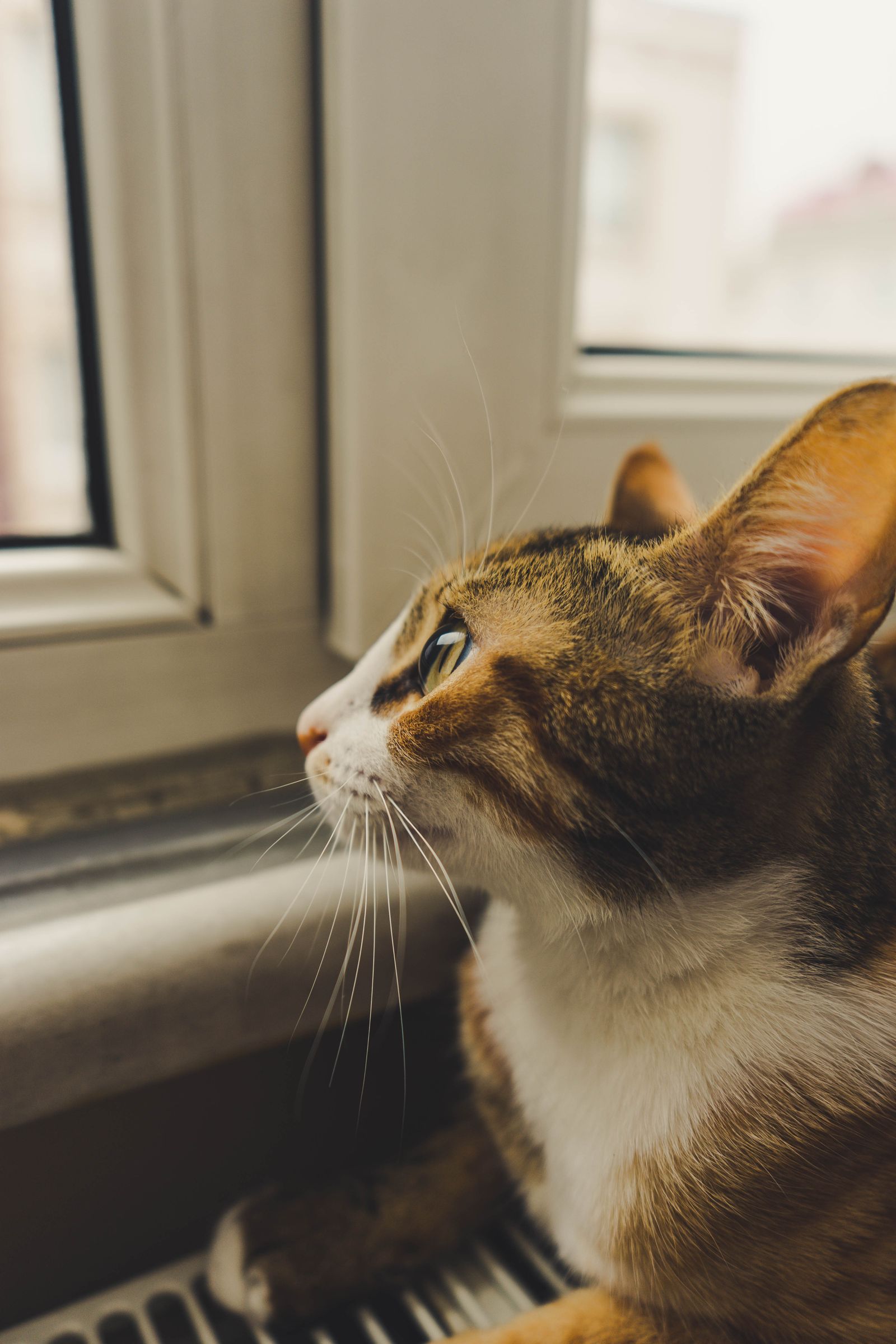
In May 2026, the CDC published the first documented instance of likely cat-to-human transmission of H5N1 avian influenza, traced to raw pet food, raw milk, or raw meat given to cats in Los Angeles County. It's a milestone in a broader pattern: dozens of U.S. cats, including indoor pets, have contracted and often died from the virus since the dairy-cattle outbreak that began in March 2024.
What happened in Los Angeles County
The CDC's investigation, published in its Morbidity and Mortality Weekly Report on May 7, 2026, covered illness in cats between November 2024 and January 2025. Nineteen domestic cats across five households became ill; nine tested positive for H5N1 clade 2.3.4.4b, and 14 of the 19 cats died or were euthanized. The cats were linked to consumption of commercially purchased raw milk, raw meat, or raw pet food.
The human exposure
Of 139 people identified with exposure to the sick cats, 33 were tested by RT-PCR between December 2024 and January 2025, and 25 received serologic testing in April 2025. One veterinary professional tested positive for H5N1 antibodies after occupational exposure without proper personal protective equipment, though that person had no reported flu-like illness. The CDC describes this as "possible" transmission — its own language is hedged, not a definitive claim of proven cat-to-human spread.
Signs of illness in cats
According to AVMA guidance, cats are particularly susceptible to severe illness from H5N1, often resulting in death. Symptoms include lethargy, fever, neurological signs such as incoordination, circling, tremors, seizures, or blindness, along with heavy nasal or eye discharge and respiratory distress.
What pet owners should do
- Feed cats only pasteurized dairy and cooked meat — avoid raw diets, raw milk, and raw pet food entirely
- Keep cats indoors to limit exposure to wild birds and other potential sources
- Wash hands after handling cats, especially if they've had contact with wildlife
- Contact a veterinarian immediately if a cat shows neurological signs, respiratory distress, or sudden lethargy
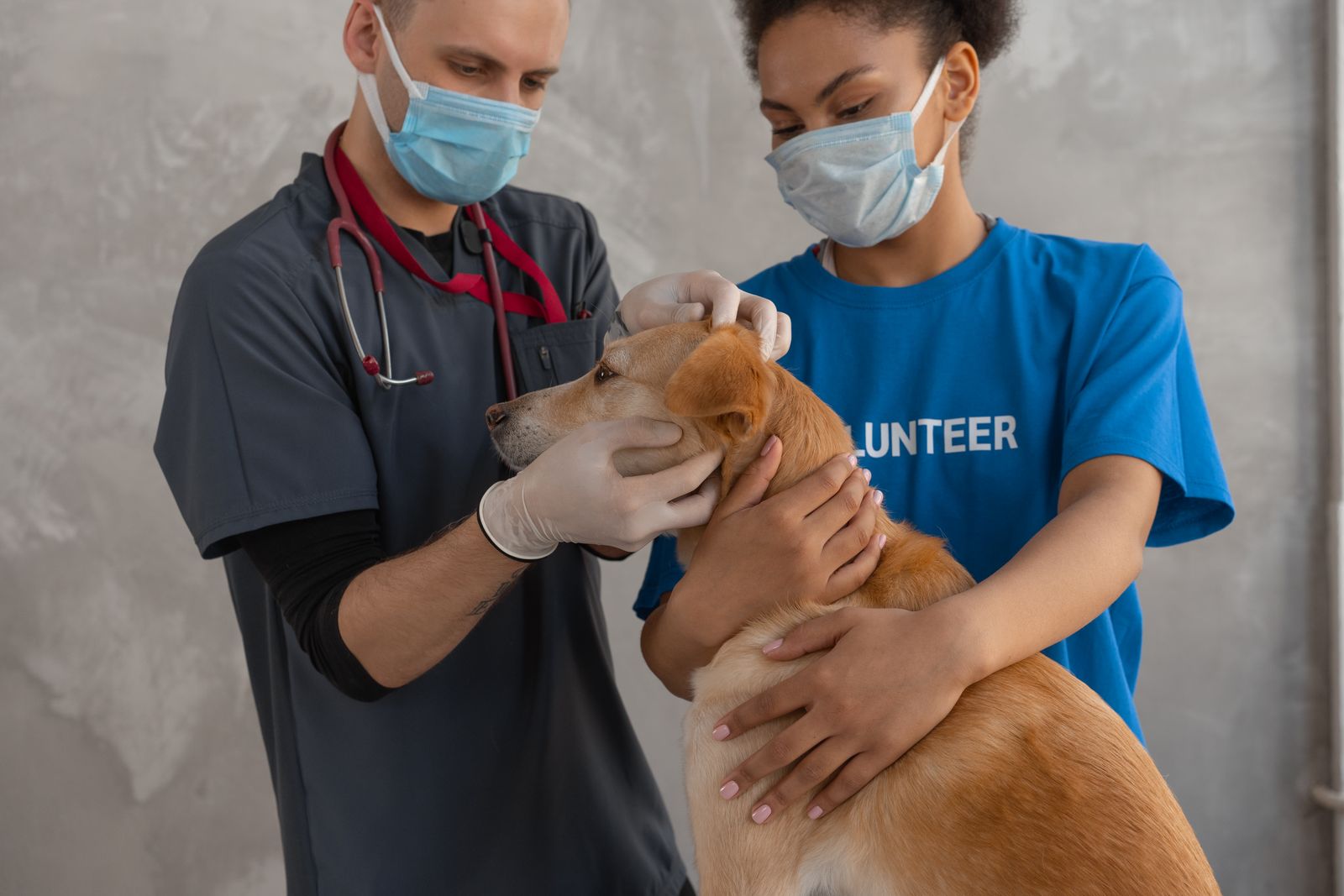
- Veterinary staff handling suspected cases should use N95 respirators, goggles, gowns, and gloves, and report suspected cases to state animal health officials
Sources
Every factual claim above is traceable to these documents. Check them — that is why they are here.
- CDC confirms cat-to-human transmission of avian influenzaAmerican Veterinary Medical Association
- Serologic Evidence of Highly Pathogenic Avian Influenza A(H5N1) Infection — MMWRCDC, Morbidity and Mortality Weekly Report
About this byline
Meridians Life Desk is an editorial desk at Meridians, not an individual. A desk byline means the article was produced and fact-checked to that desk's published standards. Read our editorial standards and corrections policy.
Sponsored
Paid placement · not editorial
CDC Flags a Nationwide Jump in Rabies Exposures — and Errors in Treating Them
4 min read · 14 September 2026

Fi Recalls Two Dog Supplements Over Possible Salmonella Contamination
3 min read · 10 September 2026
The Meridians Brief
One considered email a week
What changed, what it costs you, and what to do about it — from the Meridians desks. No sponsored picks disguised as recommendations.
Sign-up opens with our launch issue. Nothing is sent or stored yet.