Michigan Just Restricted Callery Pear, Japanese Barberry and Four Other Landscape Plants
Regulators voted unanimously to add six ornamental species to the state's invasive list, right as homeowners head into fall planting season.
Meridians Life Desk
Published 21 August 2026 · Updated 21 August 2026 · 4 min read
 Garden
The short answer
- Michigan's Commission of Agriculture and Rural Development voted unanimously on May 20, 2026 to add six species to the state's invasive species list.
- Water hyacinth and water lettuce became Prohibited on June 19, 2026. Common buckthorn, glossy buckthorn, Callery pear and Japanese barberry become Restricted on January 1, 2028.
- For all six species it becomes unlawful to import, sell, possess with intent to distribute, or intentionally propagate them — restrictions apply to the parent species and their bred cultivars.
- Property owners aren't in violation if the plants are already established on their land. Public comment drew over 2,000 responses, more than 90% in support.
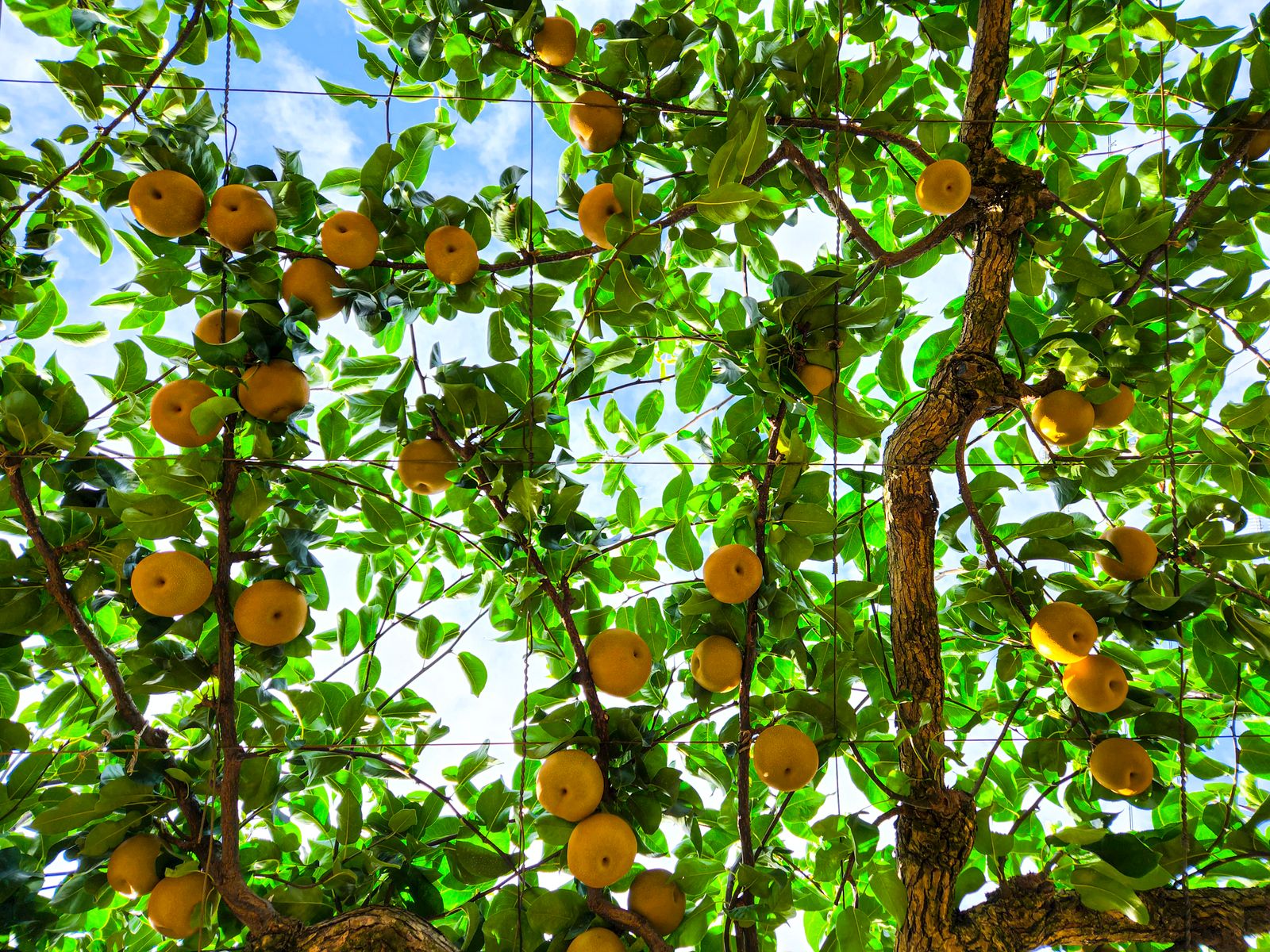
As homeowners head into the prime fall planting window, Michigan regulators have restricted six ornamental plant species long sold at garden centers — including the ubiquitous Callery (Bradford) pear tree and Japanese barberry hedge — because of documented invasiveness. The Michigan Commission of Agriculture and Rural Development voted unanimously on May 20, 2026 to add the species to the state's invasive species list.
What's restricted, and when
- Prohibited effective June 19, 2026: water hyacinth (Eichhornia crassipes), water lettuce (Pistia stratiotes)
- Restricted effective January 1, 2028: common buckthorn (Rhamnus cathartica), glossy buckthorn (Frangula alnus), Callery pear (Pyrus calleryana), Japanese barberry (Berberis thunbergii)
- For all six, it is unlawful to import, sell, possess with intent to distribute, or intentionally propagate them
- Restrictions apply to the parent species and their bred cultivars, not just wild plants
Who this affects
Property owners are not in violation of the order if the restricted species are already established on their land or in adjacent waterways — the rule targets new sales and propagation, not existing plantings. The order was issued under the Natural Resources and Environmental Protection Act (MCL 324.41302) and signed by Dr. Felicia Wu, chair of the Commission.
How the decision was made
The public comment period drew more than 2,000 responses, with over 90% in support of the additions. The Michigan Nursery & Landscape Association opposed the expansion; the Wildflower Association of Michigan, which supported it, called the inclusion of cultivars "critical" to closing a loophole that let bred varieties skirt species-level bans. "We really got this done. We're beyond happy," said Carolyn Miller, the group's president.
A broader trend
Michigan isn't acting alone. Other states have separately moved against some of the same species — Pennsylvania and Massachusetts have restricted Japanese barberry, and Kansas has a Callery pear quarantine reported to begin in 2027 — though Meridians has only independently verified Michigan's order and its own state sources, not those other states' regulatory text directly.
Sources
Every factual claim above is traceable to these documents. Check them — that is why they are here.
- Six species added to invasive plant listState of Michigan
- Michigan restricts buckthorn, other plants as landscapers cry foulBridge Michigan
About this byline
Meridians Life Desk is an editorial desk at Meridians, not an individual. A desk byline means the article was produced and fact-checked to that desk's published standards. Read our editorial standards and corrections policy.
Sponsored
Paid placement · not editorial

CPSC Tells Owners of Two Pressure Washer Brands to Stop Using Them Immediately
4 min read · 14 September 2026
When to Plant Fall Bulbs, By Region: The Soil-Temperature Numbers That Matter
4 min read · 10 September 2026

DR Power Recalls a Walk-Behind Mower That Can Keep Cutting After You Let Go
3 min read · 7 September 2026
The Meridians Brief
One considered email a week
What changed, what it costs you, and what to do about it — from the Meridians desks. No sponsored picks disguised as recommendations.
Sign-up opens with our launch issue. Nothing is sent or stored yet.