Germany inspects every car on the road. The 2026 TÜV Report says 21.5 percent of them fail
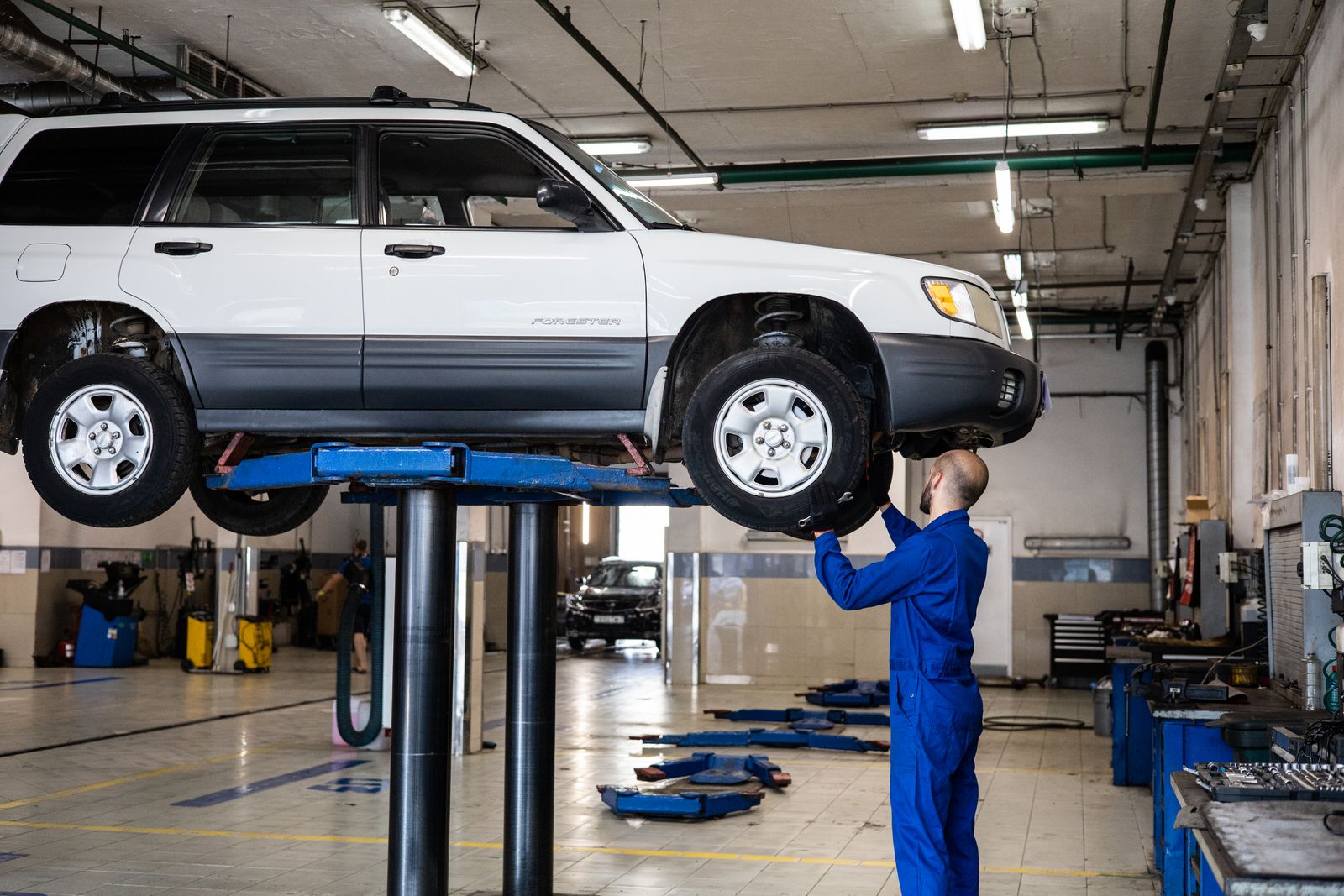
Nine and a half million roadworthiness tests, 216 model types, four straight years of rising defect rates. The spread among two- to three-year-old cars runs from 2.9 percent to 17.3 — and age still explains more than badge.
Meridians Technik-Redaktion
Published 23 August 2026 · Updated 23 August 2026 · 7 min read
 Automotive
The short answer
- The 2026 TÜV Report found that 21.5 percent of vehicles inspected failed with significant or dangerous defects, up 0.9 points on the previous year and the fourth consecutive increase.
- The dataset covers roughly 9.5 million statutory roadworthiness inspections between 1 July 2024 and 30 June 2025, across 216 model types including 18 electric cars.
- Among two- to three-year-old cars the range runs from the Mazda 2 at 2.9 percent to the Tesla Model Y at 17.3 percent — which the TÜV association calls the worst result in that age bracket in ten years.
- Age remains the stronger predictor: about 10 percent fail at the second inspection, 22.9 percent at the fifth and 32.9 percent at the seventh.
Germany makes every car report for a technical inspection — the Hauptuntersuchung, or HU — every two years after the first three. Because attendance is compulsory rather than voluntary, the resulting dataset is unusually complete, and once a year the TÜV association publishes what its inspectors actually found. Meridians tested nothing here: every figure below comes from the TÜV Report 2026, published on 20 November 2025.
The headline numbers
The report analysed roughly 9.5 million inspections carried out between 1 July 2024 and 30 June 2025, covering 216 model types, 18 of them electric. Of the vehicles presented, 21.5 percent failed with significant or dangerous defects, against 20.6 percent a year earlier. A further 12.3 percent had minor defects, up 0.8 points. Just 66.1 percent passed with nothing found at all — the lowest share in nine years, and the fourth annual rise in the defect rate in a row.
Age predicts failure better than the badge does
The clearest pattern in the report is not brand-related. At the second inspection — cars around five years old — the failure rate sits near 10 percent. By the fifth inspection, around eleven years, it is 22.9 percent; by the seventh, around fifteen years, 32.9 percent. That matters for the German fleet specifically: average vehicle age stood at 10.6 years in 2024, and 27.4 percent of registered cars, roughly 13.5 million, are fifteen years or older.
Two- to three-year-old cars, best to worst
This bracket carries the most signal, because almost nothing in it fails from wear. The figures below are defect rates for significant defects at inspection — not scores, and not the result of any product test.
- Mazda 2 — 2.9 % — best of all model types measured in this age bracket
- Mini Cooper SE — 3.5 % — best-performing electric car
- Audi Q4 e-tron — 4.0 % — second-best electric car
- Fiat 500e — 4.2 % — leader among the smallest cars
- Tesla Model 3 — 13.1 % — third from last
- Tesla Model Y — 17.3 % — last, and per the TÜV association the highest figure recorded in this age bracket in ten years
Why Tesla lands where it does
The TÜV association cites suspension components, brake discs and lighting as the recurring findings on both Tesla models. It also notes that these cars arrive with above-average mileage — 56,000 and 55,000 kilometres respectively, in a bracket where most cars have covered considerably less. That accounts for part of the gap but not all of it. Corroded brake discs are a known pattern on electric cars generally, because regenerative braking means the friction brakes are rarely used hard enough to stay clean. Electric cars as a category do not come off badly in the report: the Mini Cooper SE, Audi Q4 e-tron and Fiat 500e lead their classes, and the ADAC, summarising the same report, also lists the VW ID.3 and ID.4/ID.5 among the unremarkable ones.
What a buyer can and cannot take from this
- A single percentage describes tens of thousands of cars of that type, not the specific car in front of you.
- The jump between the second and fifth inspection is larger than almost any gap between manufacturers. Past ten years, the probability of significant defects is in double figures for essentially every model.
- Ask to see the last inspection report rather than just the sticker: it lists what was faulted and what was merely noted.
- The report says nothing about repair bills. A model with a low defect rate can still be expensive to fix — for that, the DAT report and the ADAC running-cost tables are the appropriate sources.
Sources
Every factual claim above is traceable to these documents. Check them — that is why they are here.
About this byline
Meridians Technik-Redaktion is an editorial desk at Meridians, not an individual. A desk byline means the article was produced and fact-checked to that desk's published standards. Read our editorial standards and corrections policy.
Sponsored
Paid placement · not editorial
Germany's EV tax exemption now runs to 2035 — and gets shorter with every year you wait to register
6 min read · 10 September 2026

Germany logged 3.7 million roadside call-outs last year. The four-year-old EV broke down half as often as the four-year-old petrol car
6 min read · 31 August 2026

Germany scrapped the cap on resident parking permits. Five cities now publish five different orders of magnitude
7 min read · 27 August 2026
The Meridians Brief
One considered email a week
What changed, what it costs you, and what to do about it — from the Meridians desks. No sponsored picks disguised as recommendations.
Sign-up opens with our launch issue. Nothing is sent or stored yet.